
The Invention of the Casino: A Historical Overview
The concept of the lucky twice casino review, as a dedicated establishment for gambling and entertainment, has evolved over centuries, with its roots tracing back to various cultures and civilizations. The modern casino, as we know it today, is a product of historical developments in gambling, social practices, and architectural design, rather than the invention of a single individual.
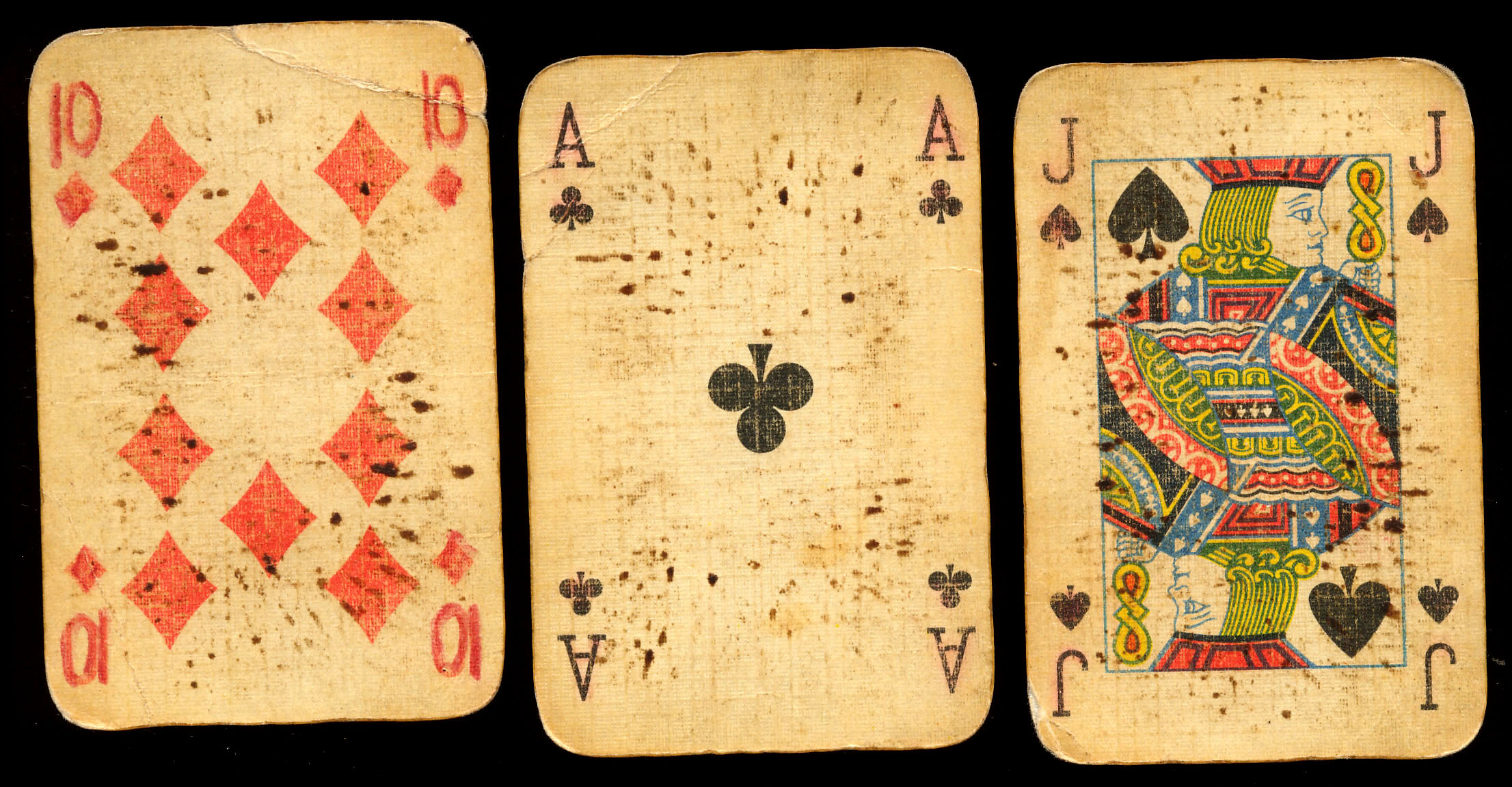
The earliest forms of gambling can be traced back to ancient civilizations. Archaeological evidence suggests that games of chance were played in China as early as 2300 BC, with the use of dice and betting on the outcomes of various games. Similarly, ancient Egyptians and Romans participated in gambling activities, often in social settings that would resemble modern gaming establishments. However, these early forms of gambling did not take the shape of casinos.
The term “casino” itself originates from the Italian word “casa,” meaning house. In the 17th century, the term began to be associated with small country villas or social gatherings where people would engage in leisure activities, including gambling. The first true casino is often credited to the Ridotto, which was established in Venice, Italy, in 1638. The Ridotto was a government-sanctioned venue that allowed patrons to gamble in a controlled environment during the Carnival season. It featured various games, including card games and dice, and was designed to provide entertainment to the upper class.
As gambling gained popularity in Europe, more establishments began to emerge. The 18th century saw the rise of casinos in France, where venues like the Casino de Spa in Belgium (founded in 1763) and the Casino de Monte-Carlo in Monaco (opened in 1863) became iconic destinations for gamblers. These casinos were luxurious, featuring elaborate architecture and a range of games, from roulette to baccarat, attracting wealthy patrons from around the world.
The spread of casinos to the United States can be traced back to the 19th century, particularly during the Gold Rush era. The first American casino is often considered to be the gaming halls that opened in New Orleans in the early 1800s. However, it was in the early 20th century that the modern concept of casinos began to take shape, particularly in Nevada. The legalization of gambling in Nevada in 1931 led to the establishment of iconic casinos in Las Vegas. The Las Vegas Strip became synonymous with extravagant casinos, featuring elaborate themes, entertainment, and a wide variety of gambling options.
Today, casinos are a global phenomenon, with establishments found in numerous countries, each contributing to the evolution of the casino experience. They have transformed from simple gambling houses to multifaceted entertainment venues that include hotels, restaurants, and live performances, catering to a diverse clientele.
In conclusion, while there is no single inventor of the casino, the development of this unique institution is a culmination of historical practices in gambling, social evolution, and architectural innovation across various cultures. The casino has become a symbol of entertainment and leisure, reflecting the changing attitudes towards gambling throughout history.
No Comments