
The psychology driving the allure of gambling understanding the mind’s tricks
The psychology driving the allure of gambling understanding the mind’s tricks
The Thrill of Uncertainty
The unpredictability of gambling is one of its most compelling aspects. Players are drawn to the uncertainty that accompanies each game, from the roll of dice to the spin of a roulette wheel. This element of chance creates a rush of adrenaline, often leading to a heightened state of excitement. The human brain is hardwired to seek out and respond to novel experiences, making gambling an attractive option for those craving stimulation. Additionally, finding the best online casino can enhance this thrilling pursuit.
Moreover, the thrill of not knowing the outcome can lead to an addictive cycle. The anticipation of a win triggers the release of dopamine in the brain, reinforcing the behavior. This process is similar to the response experienced in other forms of risk-taking, encouraging individuals to continue gambling despite potential losses.
The Illusion of Control
Many gamblers fall into the trap of believing they can influence outcomes through strategies or rituals. This illusion of control, where players think that their decisions can lead to consistent wins, is a psychological trick that keeps them engaged. For instance, someone might always bet on a specific number, convinced that it brings them luck.
This belief can be incredibly powerful, as it allows individuals to maintain a sense of agency in an inherently random environment. However, this false sense of control can lead to detrimental consequences, such as chasing losses. Gamblers often convince themselves that if they just try harder or employ their “lucky” methods, they will eventually win back what they lost.
The Social Aspect of Gambling
Gambling is often a social activity, offering players a chance to connect with others. The environment of casinos is designed to foster interaction, whether through shared experiences or competitive play. This social element enhances the overall enjoyment of gambling, making it not just about the games themselves, but also about the communal atmosphere.
Additionally, social reinforcement plays a significant role. Seeing others win or sharing stories of success can create a sense of excitement that is difficult to resist. This communal aspect provides emotional support and validation, making it easier for individuals to justify their gambling habits to themselves and others.
The Role of Rewards and Reinforcements
The structure of gambling games often incorporates variable rewards, a key component in maintaining player engagement. This means that players may win occasionally, but not consistently, which creates a cycle of hope and anticipation. This unpredictability is what makes gambling so enticing, as players continuously seek the next big win.
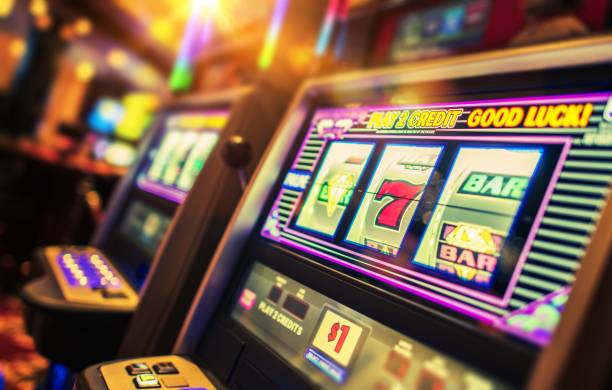
The design of slot machines, for instance, exemplifies this concept. With flashy lights and sounds that celebrate wins, these machines create a sensory experience that reinforces the gambling behavior. The intermittent rewards serve to keep players coming back, making them believe that the next spin could lead to a life-changing jackpot.

Understanding Gambling and Responsible Play
Understanding the psychology behind gambling is crucial for promoting responsible play. Awareness of the mind’s tricks can help individuals recognize when their gambling behavior may be becoming problematic. Resources are available to provide guidance on maintaining a balanced relationship with gambling and recognizing the signs of addiction.
By fostering an environment that encourages responsible gaming, we can help individuals enjoy gambling as a form of entertainment rather than a destructive habit. Knowledge about the psychological mechanisms at play allows players to make informed decisions and seek help when needed, ensuring a healthier approach to gaming activities.
No Comments