
The psychology behind risk-taking behavior in casino gambling
The psychology behind risk-taking behavior in casino gambling
The allure of risk-taking in gambling
Risk-taking behavior in casino gambling stems from various psychological factors that make it appealing to individuals. One primary element is the thrill associated with uncertainty. Gamblers are often driven by the anticipation of a potential win, which activates the brain’s reward system. This excitement can create a euphoric feeling, making individuals more likely to engage in high-stakes betting. The unpredictability of outcomes adds to the adrenaline rush, encouraging players to take risks despite the potential for loss. In fact, many players find their ideal gaming experience at Rizzio casino where excitement meets chance.
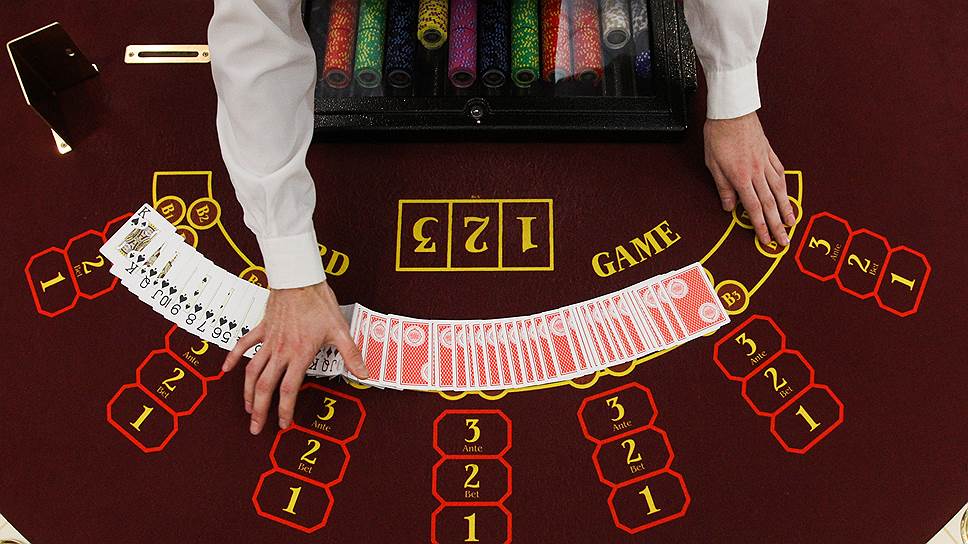
Furthermore, the social environment of casinos enhances the allure of risk-taking. Many gamblers find themselves in vibrant settings filled with sounds, lights, and the presence of others. This atmosphere fosters a sense of community and shared experience, making it easier for individuals to engage in riskier behaviors. Social validation can amplify the desire to take risks, as people may feel more confident when surrounded by others who are also participating in high-stakes gambling.
The concept of loss aversion also plays a crucial role in risk-taking behavior. Research indicates that individuals tend to prefer avoiding losses rather than acquiring equivalent gains. In gambling, this leads to a cycle where players double down on losing bets in hopes of recovering their losses. This mentality can lead to a heightened sense of urgency to gamble, propelling individuals to take risks they might otherwise avoid in different contexts.
Understanding the psychological triggers behind high-stakes gambling is essential for comprehending why individuals engage in such behavior. One significant factor is the cognitive bias known as the illusion of control. Many gamblers believe they can influence the outcome of a game through their decisions, even in games based purely on chance, such as slot machines or roulette. This misguided belief can lead to increased risk-taking as players feel empowered to make bold bets.
Additionally, the concept of variable reinforcement is pivotal in risk-taking behavior. In gambling, rewards are not consistent; players may experience intermittent wins that reinforce their behavior. This sporadic success keeps gamblers returning for more, as they become conditioned to associate risk-taking with potential rewards. The excitement of the “next big win” can overshadow the rational assessment of risks, leading players to make impulsive decisions.
The emotional aspects of gambling also significantly influence risk-taking behavior. Many individuals turn to casinos as a form of escapism, seeking relief from stress or boredom. This emotional state can impair judgment, making people more susceptible to taking risks. The desire to escape reality often leads individuals to engage in more significant bets, hoping for a quick way out of their emotional turmoil, despite the potential for substantial financial loss.
Cognitive biases significantly affect gambling behavior, often pushing individuals toward riskier choices. One prominent bias is confirmation bias, where gamblers tend to focus on information that supports their winning strategies while ignoring evidence that contradicts them. For instance, a player might remember their past wins on a specific slot machine but conveniently forget the numerous losses. This selective memory can create a false sense of security, encouraging more risk-taking.
Another cognitive bias that influences gambling is the gambler’s fallacy. This belief involves the mistaken idea that past outcomes affect future probabilities. For example, if a roulette wheel has landed on black several times in a row, a gambler might feel that red is “due” to win. This irrational thinking can lead to increased betting as individuals chase perceived patterns, resulting in greater financial risk.
Moreover, overconfidence is a common cognitive bias among gamblers, leading them to underestimate the risks involved in their decisions. Many players believe they possess unique skills or insights that give them an advantage over the house. This overestimation of their abilities can lead to significant losses, as they engage in riskier bets, thinking they have a higher chance of winning than reality suggests.
Addiction plays a pivotal role in understanding risk-taking behavior in casino gambling. The transition from casual gambling to compulsive gambling often occurs gradually, fueled by the initial thrill and subsequent rewards. As individuals continue to gamble, they may develop a tolerance, requiring more significant risks to achieve the same level of excitement. This can create a dangerous cycle where the gambler increasingly takes risks to experience the euphoric highs associated with gambling.
Furthermore, problem gambling can lead to severe consequences, impacting mental health and financial stability. The compulsive gambler may prioritize gambling over essential responsibilities, leading to strained relationships and emotional distress. The need to chase losses can result in individuals taking greater risks, potentially leading to significant debt and personal crisis.
To combat gambling addiction, it is essential to understand the underlying psychological factors driving this behavior. Resources such as counseling and support groups can help individuals recognize their triggers and develop healthier coping mechanisms. Encouraging self-awareness and fostering a better understanding of gambling’s risks can empower individuals to make more informed decisions, reducing the likelihood of compulsive gambling.

Exploring Rizzio Casino and responsible gaming
Rizzio Casino is an exciting destination for online gaming enthusiasts, providing a vast array of options that cater to various preferences. With engaging games and an immersive experience, players can explore everything from classic slots to interactive live dealer games. However, while the thrill of gaming is undeniable, it is essential for players to understand the psychological implications of their choices.
The platform promotes responsible gaming practices, encouraging individuals to gamble within their means. Rizzio Casino aims to foster a safe environment where players can enjoy the excitement of gaming without falling into the trap of excessive risk-taking behavior. By offering resources and support for responsible gambling, the casino emphasizes the importance of maintaining a healthy relationship with gambling.
Ultimately, understanding the psychology behind risk-taking behavior in casino gambling is crucial for both players and operators. By recognizing the various cognitive biases, emotional triggers, and potential for addiction, individuals can make more informed choices. Rizzio Casino stands committed to providing a thrilling yet responsible gaming experience, ensuring that players can enjoy their gaming journey safely and sustainably.
“`
No Comments