
Understanding the psychological triggers behind gambling behavior
Understanding the psychological triggers behind gambling behavior
The Nature of Gambling Addiction
Gambling addiction is often rooted in various psychological triggers that influence individuals’ behavior. At its core, gambling activates the brain’s reward system, releasing dopamine and creating feelings of pleasure, which can lead to repeated behavior. This cycle of reward and reinforcement can create a dependency, where the thrill of the win outweighs the risks involved. For a more engaging experience, consider trying AuWin88, which caters specifically to Australian players. Understanding this phenomenon is crucial for recognizing the broader implications of gambling addiction on both personal and social levels.

Moreover, the psychological concept of near misses plays a significant role in perpetuating gambling behavior. When individuals experience outcomes that come close to a win, their brains interpret this as a sign that victory is imminent, prompting them to gamble more in hopes of achieving that success. This cognitive distortion can keep players engaged, as they believe they are just one step away from a significant win, thereby deepening their investment in gambling activities.
Environmental factors also contribute to gambling addiction. Places like casinos are designed to be stimulating, with bright lights, engaging sounds, and rewards that entice players. The ambiance can lead to disorientation, making it easy for individuals to lose track of time and money. This environment can create a feedback loop where the psychological triggers are constantly reinforced, making it difficult for individuals to break free from their gambling habits.
Emotions significantly influence gambling behaviors, often acting as catalysts that drive individuals to gamble. For many, gambling serves as a means of escapism; it allows individuals to temporarily evade stress, anxiety, or feelings of inadequacy. This emotional relief can lead to a cycle where one gambles to escape negative emotions, only to feel more distressed afterward when losses occur, ultimately creating a vicious cycle of gambling behavior.
Furthermore, the social aspect of gambling can also amplify emotional triggers. For individuals seeking a sense of belonging or community, casinos and gambling establishments can provide a social environment where camaraderie and shared experiences flourish. The emotional highs of winning, coupled with the collective experiences of fellow gamblers, can create a sense of unity that is hard to resist. However, this can also lead to increased risk-taking as individuals may feel pressured to gamble more to fit in.
Cognitive biases, such as overconfidence and the illusion of control, can exacerbate emotional triggers. Many gamblers believe that they have a certain level of control over the outcomes, leading them to make impulsive decisions based on emotional highs. When individuals feel invincible during winning streaks, they may ignore the inherent risks associated with gambling, which can lead to severe financial and emotional consequences.
The influence of societal norms and cultural acceptance plays a significant role in shaping gambling behavior. In many societies, gambling is normalized and even glamorized through advertising, movies, and social media. This creates a perception that gambling is a legitimate form of entertainment, often downplaying the potential risks. Individuals exposed to such influences may feel more inclined to engage in gambling activities without fully understanding the psychological implications.
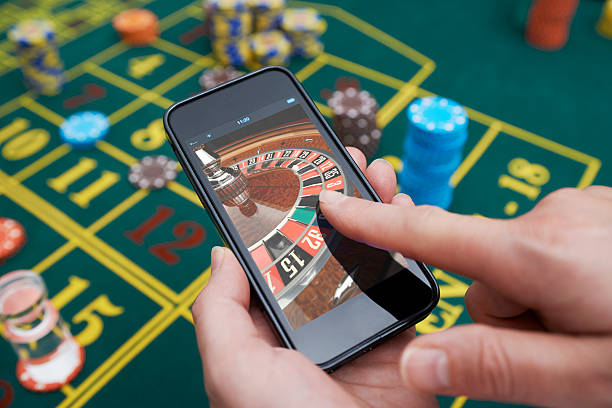
Moreover, accessibility to gambling platforms has increased dramatically, especially with the rise of online casinos. This ease of access can lead to higher rates of gambling, as individuals can gamble from the comfort of their homes without the same social pressures or constraints found in traditional casinos. This shift in accessibility can desensitize individuals to the risks involved, making gambling seem like a harmless pastime rather than a potentially harmful addiction.
Peer influences also play a critical role in gambling behavior. If individuals find themselves in social circles where gambling is a common activity, they are more likely to partake. The desire to fit in or impress peers can lead individuals to gamble beyond their limits, driven by a fear of missing out or being judged. This social reinforcement can perpetuate unhealthy gambling habits and contribute to addiction over time.
Awareness of the warning signs of problem gambling is crucial for both individuals and their loved ones. Common indicators include a preoccupation with gambling, lying about gambling habits, and experiencing withdrawal symptoms when not gambling. Recognizing these signs can help individuals take proactive measures to address their gambling behavior before it spirals out of control. Furthermore, family and friends should be educated about these signs to provide support and intervention when necessary.
Another critical warning sign is neglecting responsibilities due to gambling activities. Individuals may find themselves skipping work, neglecting family obligations, or failing to meet financial commitments because they prioritize gambling over essential aspects of life. This shift in priorities can lead to a downward spiral of negative consequences, exacerbating feelings of guilt and shame that further fuel the addiction.
Lastly, individuals may begin to chase losses, believing that they can recover lost money through further gambling. This mindset can lead to a dangerous cycle where the desire to regain control drives riskier betting behavior. Understanding and addressing these warning signs is a vital step toward achieving healthy gambling habits and minimizing the potential for addiction.
Exploring Responsible Gambling Solutions
Understanding the psychological triggers behind gambling behavior emphasizes the importance of responsible gambling practices. Many gambling platforms, including reputable online casinos, are increasingly promoting responsible gambling initiatives. These can include setting deposit limits, offering self-exclusion options, and providing educational resources about the risks of gambling. Such measures help individuals maintain control over their gambling activities and mitigate the risk of addiction.
Furthermore, support networks play a crucial role in responsible gambling. Many organizations offer resources for individuals struggling with gambling issues, including counseling and support groups. Engaging with these resources can provide individuals with a safe space to discuss their experiences and seek help. It’s essential to foster an environment that encourages open communication about gambling-related problems, which can facilitate healthier habits and recovery.
In addition to external support, individuals are encouraged to develop self-awareness regarding their gambling behavior. Keeping a gambling diary or reflecting on emotional triggers can help individuals recognize patterns and motivations behind their gambling. By becoming more conscious of their actions and feelings, individuals can make informed decisions about their gambling habits, leading to a more balanced approach to gaming and leisure activities.
No Comments